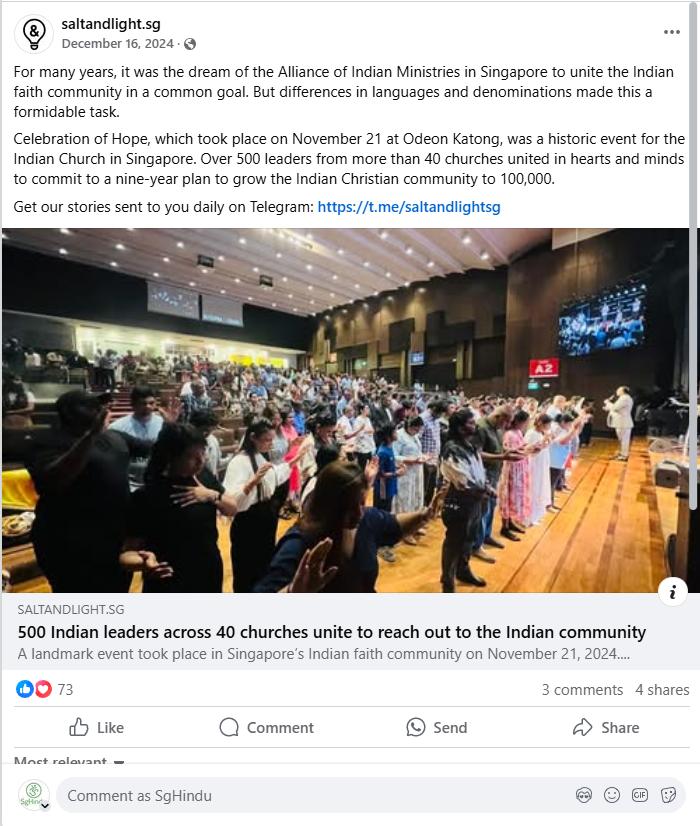

TLDR: A case of evangelical harassment captured in vivid detail of how the psychological well-being of a 16-year old boy was beseiged. Decades on, the perpetrators celebrate their actions, leading us to wonder how would minorities children adapt to such bullying in modern Singapore today?
It’s a critical year — the O Levels. A 16-year-old youth (who could be your child, niece/nephew, or even yourself) is an athlete in a prestigious school sports team, a prefect, debater, and such an exceptional all-rounder that he is also captain of the school. What could possibly go wrong?
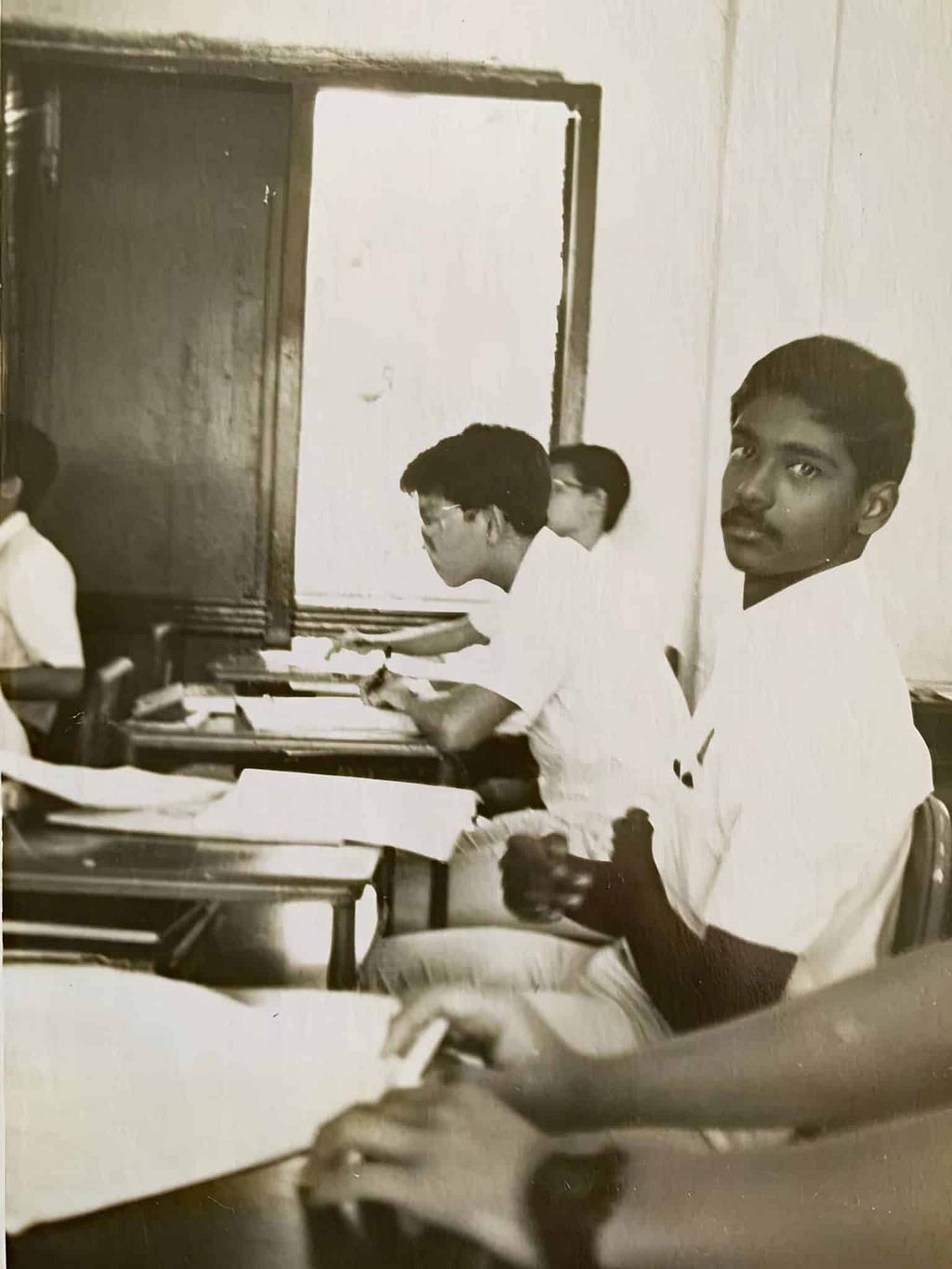
What if you discovered that his five closest friends had conspired to gang up against him and inflict a crisis of faith on him? Friends who had grown up with him, visited his home, yet saw him as a lesser person. This is the distressing story of Shaam Sudharman.
Shaam trusted his “best friends”, but they had an ulterior motive: to “crack” him (Time stamp 0.24 and 2.51 from this video). They consistently and needlessly badgered him to make him falsely believe that he would be damned for who he was. As a pack, they schemed to challenge his very existence during one of the most stressful phases that Singaporeans go through. Shaam held his ground, but eventually succumbed to the stress. In a moment of desperation, he turned to a teacher. Instead of trying to understand this young man’s predicament so close to the O Levels, and showing empathy, the teacher abused her authority to inflict the final psychological schism that caused him to crack.
Had this sort of mental torture been the result of bullying based on physical appearance, racism, drugs, gangsterism, or sexuality, it would have incited public outrage. But this was a case of unjustified religious superiority, and it happened decades ago. So rather than being seen for what it is — a case of bullying, mental health trauma, and lack of tolerance for other beliefs — this incident is being glorified as a successful conversion story, with the perpetrators portrayed as “heroes of the story” (Timestamp: 6:10).
We are supposed to protect vulnerable members of our society. Financial institutions, for example, are punished more severely in cases of misconduct with vulnerable clients (MAS, 2018). Vulnerable clients include people below O Level/ N Level/ equivalent qualification, and people above the age of 62. And yet, in Rev. Dr. Joshua Sudharman’s story — published on the Christian website Salt&Light and shared by them as a video on Instagram — Shaam was converted in Sec 4, and later converted his 80-year-old father.
Minorities in Singapore often experience predatory proselytization like this. Although the behaviour is prevalent, it is understudied: 1) victims may not have the assurance that their negative experience (especially as a minority) is worth bringing to attention, and 2) there are no avenues to report such instances.
Shaam’s experience, documented decades later, furnishes rare evidence and insight into such occurrences. The documented behaviour is a rotten vestige of our colonial past, but it is brushed under the carpet. As a minority religion, the onus to preserve the social fabric of Singapore requires us to overlook such incidences. But behaviours such as preying on the vulnerable and inflicting mental distress cannot be glorified. Can we report it to the police? No. Where can such cases be documented, and when does it become too much? We argue that in Shaam Sudharman’s case, it has indeed crossed the line, and crossed it twice. The first act of aggression was the way Shaam was seen as an outsider and made a “target” (Timestamp: 1:00) by a group of boys. The second act of aggression is the way this story of trauma and blatant disrespect has been fondly recounted, casually and even humorously, by a group of adults.
Who can those of minority faiths turn to for advice at school, and where can such issues actually be aired and discussed? Minorities may feel like they have no recourse when friends and family engage in predatory proselytization. What chance does a Hindu child have when his friends, teachers and institutions bully him about his faith? The typical response might be that technically, nothing wrong was done since Shaam himself claims no harm was done, and no violence was used. But what if Shaam Sudharman in his vulnerable state had made a different decision? Unable to reconcile being repeatedly told that he was a heathen, what if he had taken his life instead? Or, what if he had failed his O Levels? Surely, it should not take a tragedy to get society to be more respectful and considerate. Are other minority children experiencing this situation in Singapore today and suffering in silence?
A recent Pew research study identifies Singapore as having high rates of religious conversion compared to some other countries in the region, with increasing numbers identifying as Christian. Yet, we have not examined if these conversions are conducted ethically, promoting a secular, meritocratic, and tolerant Singapore. We posit that this video by Salt&Light actively tears at our social fabric by undercutting secularism and meritocracy. We will explain why.
Two points before we continue.
1. Shaam’s conversion does NOT justify the harassment he endured.
A typical counter-argument would be that since Shaam decided to become Joshua and seems to be happy, all’s well that ends well and there is no point addressing this issue. However, ethical and legal perspectives will not tolerate Stockholm Syndrome. That is, even if the victim absolves the abuser of all crime, or does not perceive himself as a victim, the act of aggression is wrong. Bullying or harassment remain wrong even if the victim appears to cope with it.
2. Salt&Light has been careful not to identify Shaam’s birth religion, in an attempt to circumvent the accusation that they are aggrieving religious sensitivities. There are two responses to this. Firstly, Hinduism is identified via scriptural references (see section ‘Undermining Secularism’ below). Secondly, given that Buddhism and Chinese traditional religions are seeing the greatest outflows to Christianity, the tactics presented by Salt&Light must be discussed for the benefit of Singapore.
- Undermining Meritocracy

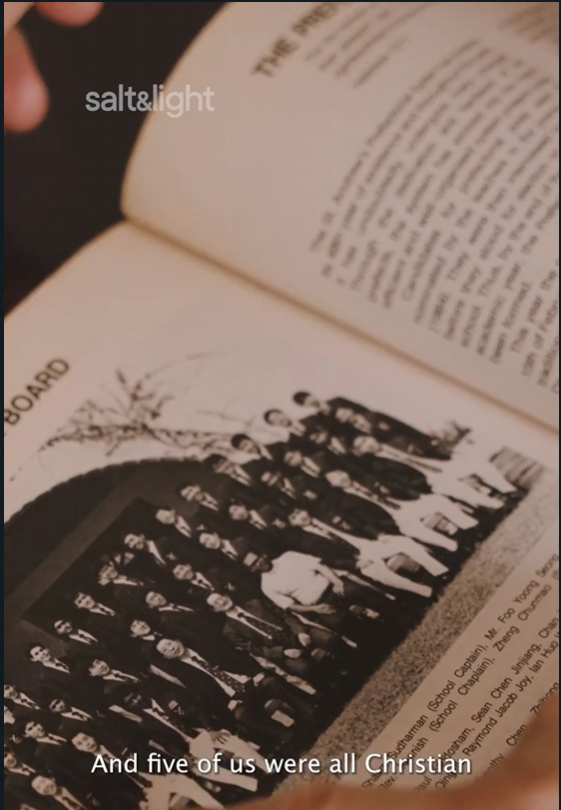
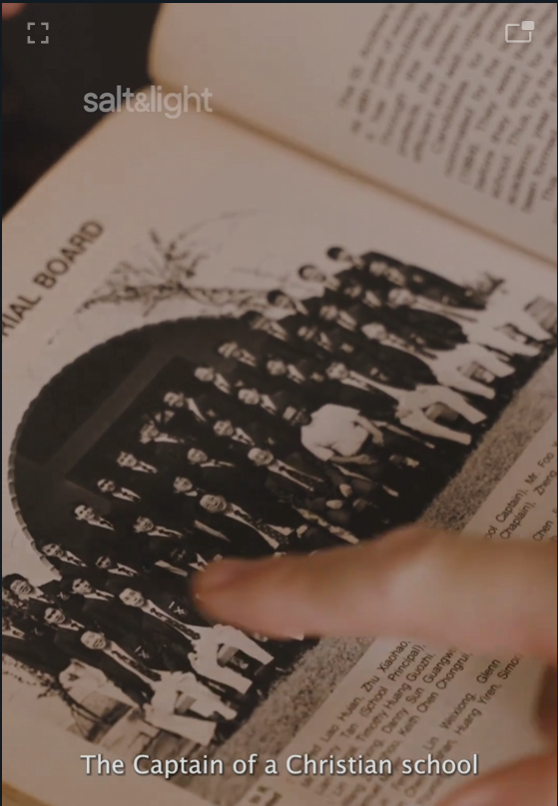
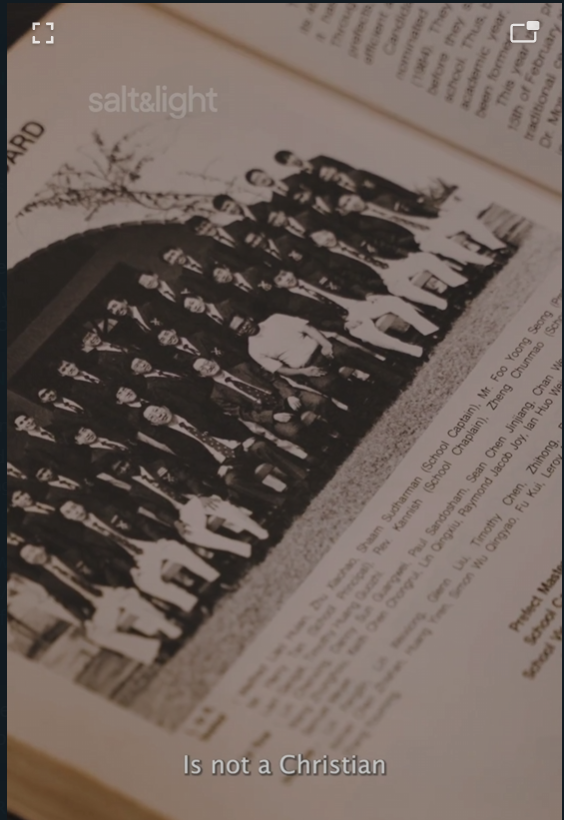
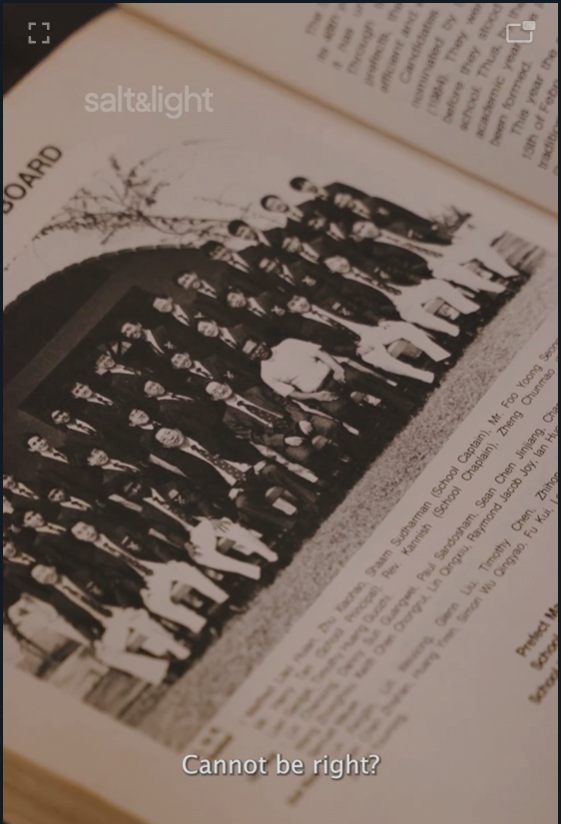

Shaam Sudharman was destined for great things, he was smart, sociable, atheletic, unfortunately, his best friends whom he spent every waking moment with, whom his mother fed, didn’t think he was suitable simply because he was not Christian. Is this how Salt and Light aims to commemorate LKY’S 100 birth centenaries of a meritocratic Singapore? These are implicit systemic bias that haunts every Hindu Indian youth, can I be good enough to lead? Will I lose out promotions to my non-Christian peers simply because I am not the same faith as my boss or peers? Will they choose not to follow me or see me as less simply because I am heathen? It seems with this story and other implicit messages the narrative to every Hindu child born in Singapore is. You can’t.
2. Bullying

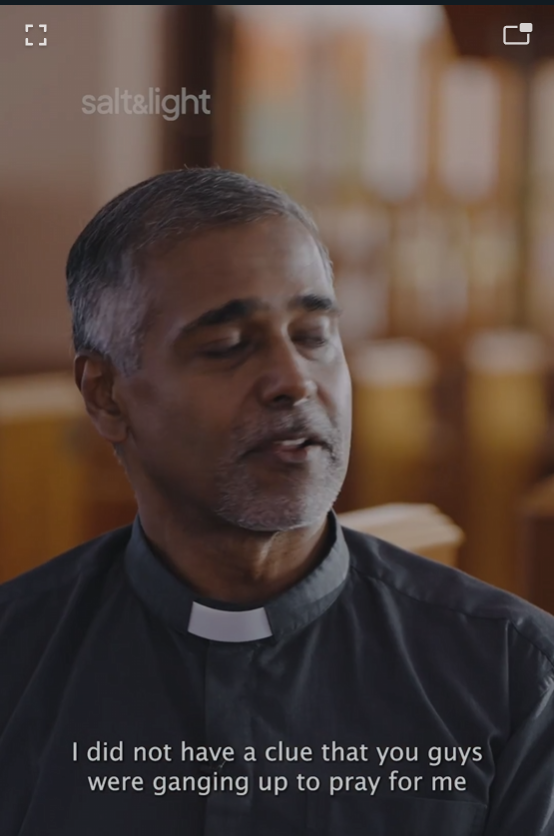
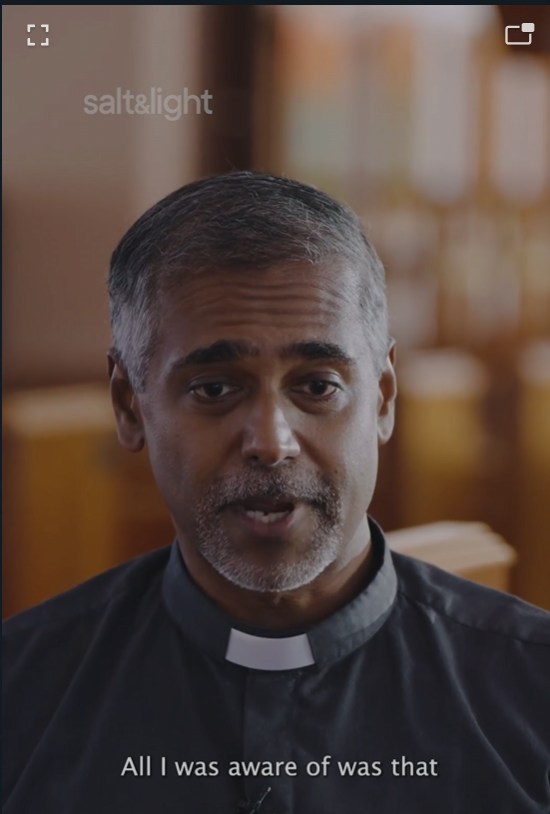

Imagine being constantly badgered about your faith, by your closest friends, in all sorts of social settings. A Hindu boy in a Christian institution where his scriptures aren’t widely read has no hope of standing up to such harassment. It appears that Shaam suffered in silence. Phrases like “corner you” (1:42), “ganging up” (1:45), and “confronting me” (1:50) clearly show the predatory and aggressive stance that his friends took. Both parties accept this after decades. But in a circle of trust with one’s best friends, would this be considered ethical? What if a few Christian boys were using their scripture to convince a Muslim boy to give up his Halal diet? Would that be considered acceptable as friends? Consider what avenues of support Shaam Sudharman might have had at school, or what support most children of minority faiths have in such a situation: None.

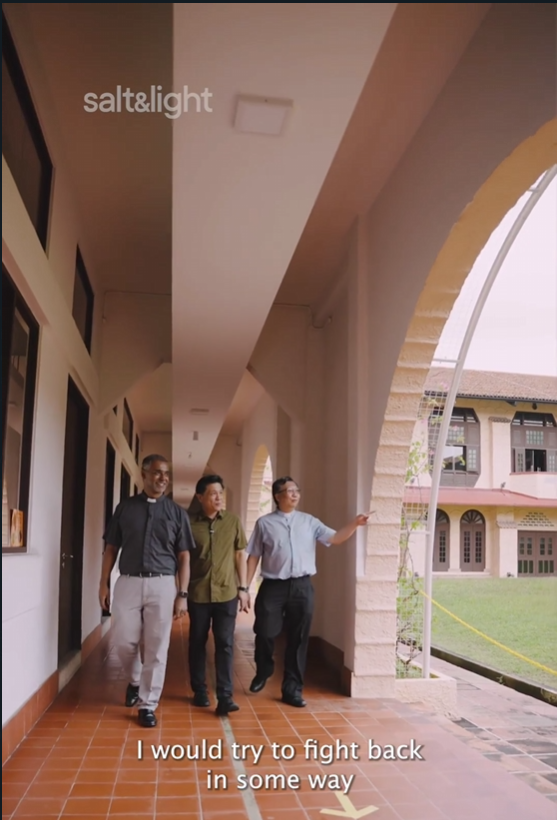
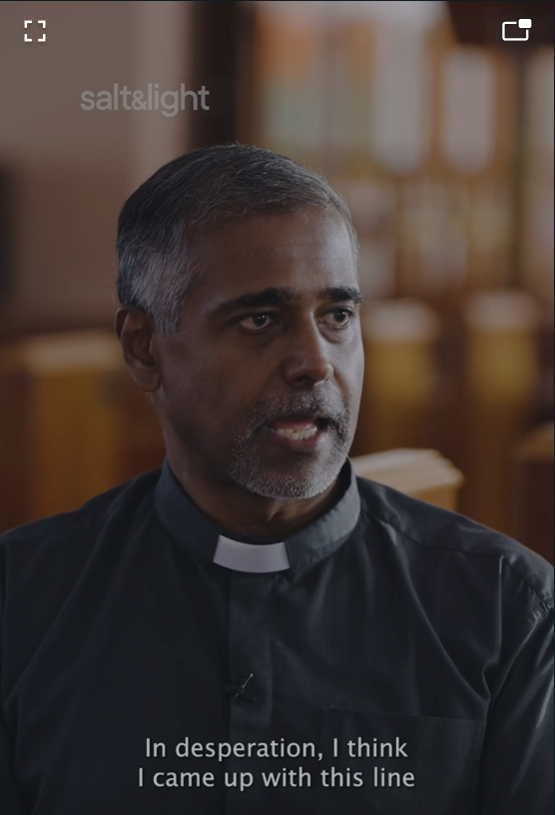
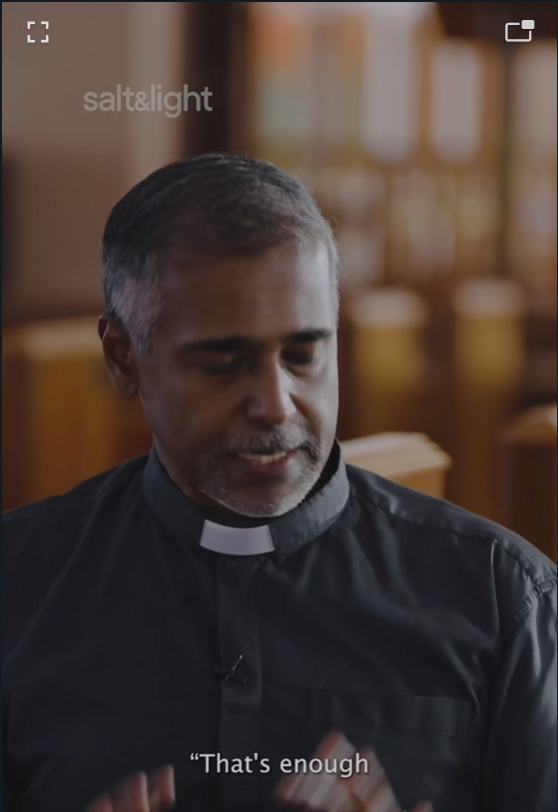
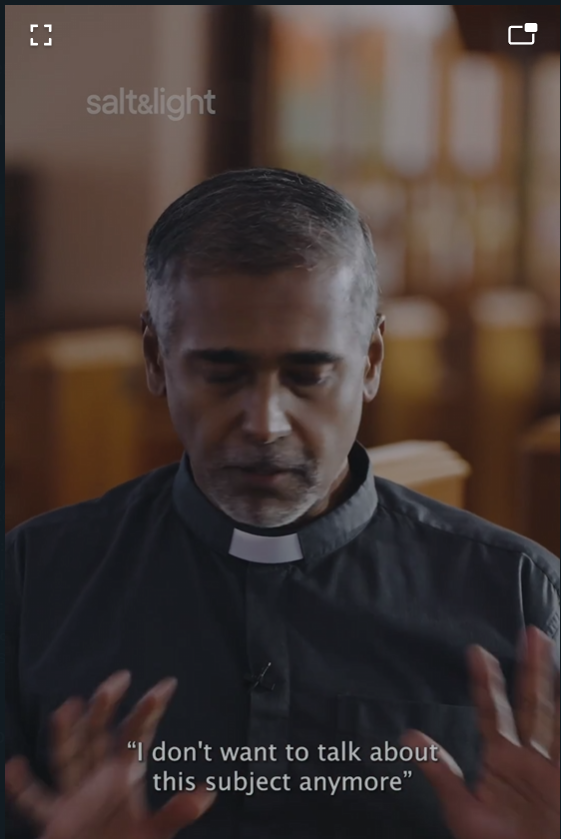
These boys systematically and constantly harassed Shaam with a verse that later led to his mental breakdown. We know the harassment was intense because Shaam himself told them at one point that there would be no further discussion on the topic (3:49). He had no way to deal with it, he had no friends in his corner to support him, and he could not raise it to the school institution. Could he risk alienating his closest friends? Did he have any hope at all of preserving the open-minded faith he was raised with? Shaam Sudharman wouldn’t be the first individual to cave in to peer pressure. The real question is whether the schools of Singapore today are capable of supporting a minority student like Shaam, or if they will simply continue to turn a blind eye.
3) Undermining Secularism
Shaam responded to this badgering by saying that they were “worshipping the same God by different names” (2:24). This identifies him as Hindu as it directly refers to the scriptural verse “Ekam Sat, Vipra Bahudha Vadanti” (Rg-Veda, x. 129. 1–7), which was composed at least a millennium before the birth of Jesus. This beautiful verse showcases the characteristic perspective of Hindus: there are multiple valid paths to the Divine. Why was such an inclusive perspective on faith undermined? Surely, Singaporean educational institutions should be espousing this viewpoint to fortify the bedrock of our diverse society.
Perhaps some readers may argue that the actions of 16-year-old boys should not be taken seriously. We beg to differ. Secularism and respect for all religions are foundational elements of our education system. A group of students planning and ganging up psychologically against one student cannot be excused. Even worse, however, is the unremorseful manner in which the group of adults in the video has recounted the events. Instead of realising that they conspired and cornered an unsuspecting friend, these adults have trivialised their disrespectful approach and celebrated the outcome. Even as adults, this group has not realised the fractures they are creating in a secular society when they describe how they pushed their peer into believing that one faith is better than another, and that there is only one correct way to live.
Religions that do not proselytise appear to be penalised for the respect they give to other faiths. Hindu children, for example, are generally not taught explicit arguments to defend their faith in case they are cornered into religious debates. They are not prepared for these unsolicited and unprovoked attacks because they do not expect such disrespect from others (let alone one’s best friends). Singapore’s harmony is threatened if a significant segment of society only sees other people as projects to work on, instead of seeing them as individuals to be respected in their own right.
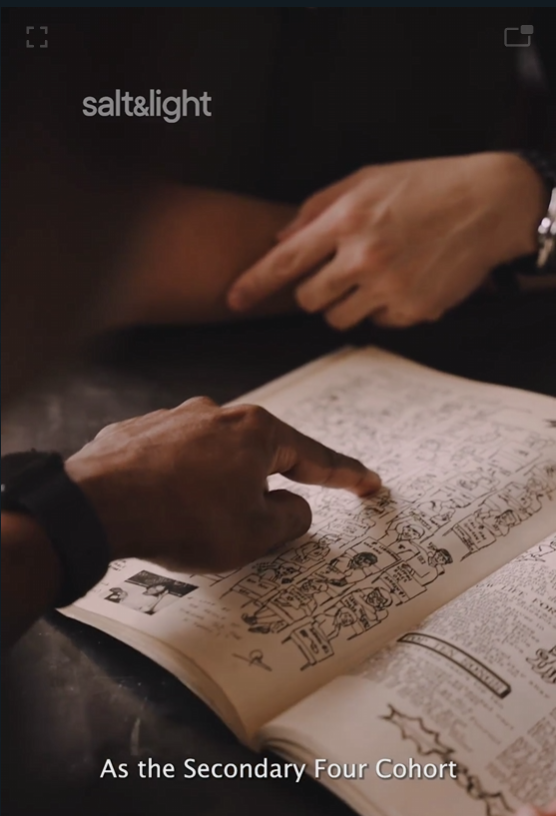
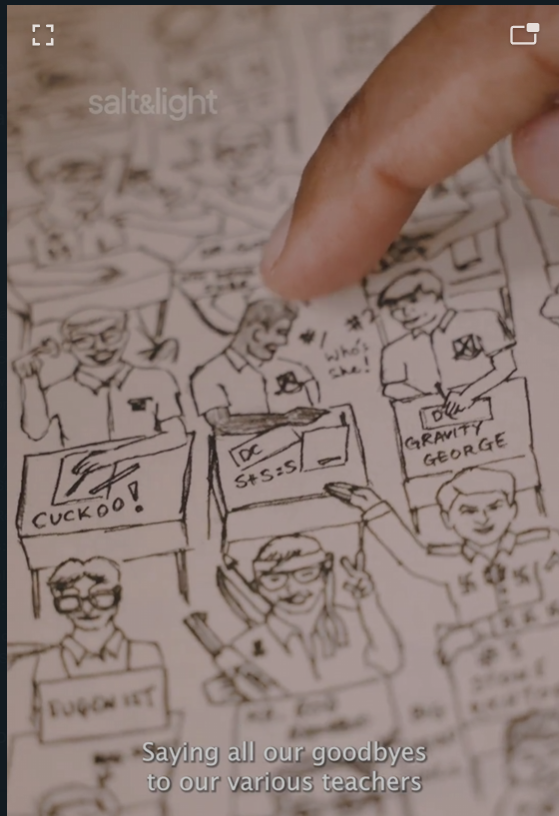
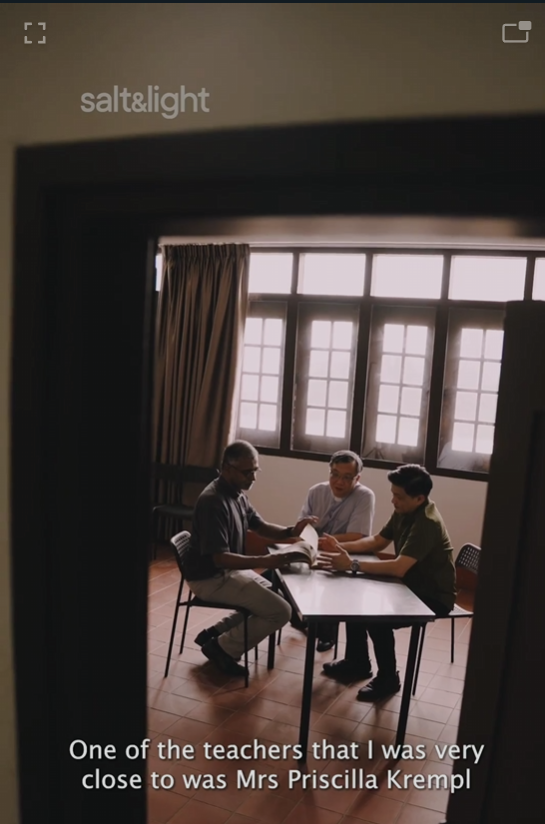
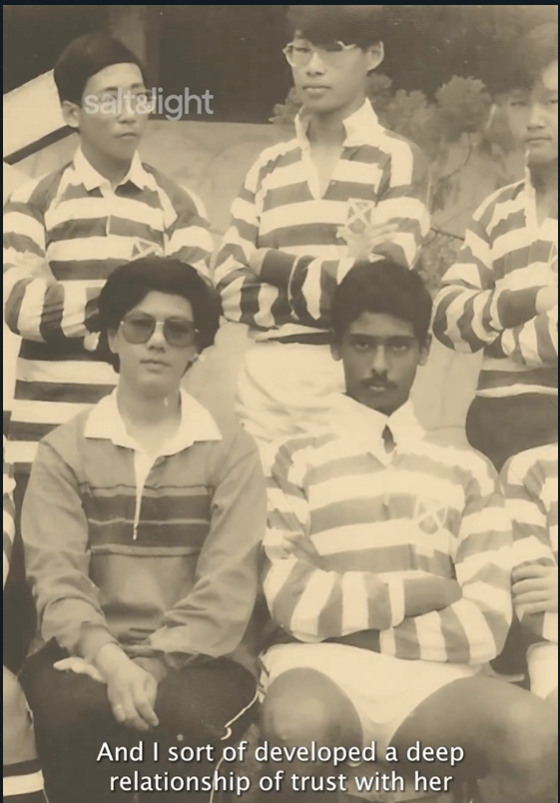


Burdened with mounting distress, Shaam approached a figure of authority he trusts. Not knowing how to verbalise his feelings of not belonging, and being targeted for his religion, he asked the teacher to pray for him for his O Levels, which he still had to focus on despite the relentless mental attack he was facing. The teacher should have investigated the source of distress faced by this outstanding student, and acknowledge the difficulty he was facing as a minority. Instead, the teacher took the opposite approach and brought him to the chapel to get him to pray there. Why was this the first solution (and perhaps the only solution?) presented to a non-Christian student? When it comes to issues of mental health and distress, are today’s teachers equipped to provide students, especially minorities, with the tangible help they need? What procedures and guidelines do schools have in place to counsel students who are mentally suffering? If it had been a question of physical illness, encouraging the student to see a medical professional would have been the obvious first option, rather than turning to prayer as the first choice. Surely the same should go for mental struggles as well.
We cannot disregard the power that such an important and trusted person of authority would have had on Shaam’s mind. Coupled with the overriding pressure of the O Levels and the fact that he was 16, the age that academics have identified as the age for conversion (Gillespie, 1991), Shaam’s eventual caving in seems almost expected, not miraculous.
We hope that Salt&Light realises how distasteful their perspectives are and how they are promoting harmful ideas in society with their dismissive attitude.
Members of minority religions like Hinduism probably know that the challenges we face will persist. We teach our children about respecting all religious pathways, but how often is this favour returned to us? Schools must have procedures in place to prevent such forms of bullying, and society should not tolerate the creation and circulation of videos that promote and normalise predatory proselytisation.
Ideally, we should not have to teach our children and communities to be psychologically armed and prepared to defend our beliefs, because in the first place, we should not be facing the sort of planned, premeditated psychological attack described in the video. But reality is not ideal. We hope that by highlighting the practices detailed in the published video, parents, children and support networks will be able to protect their way of life, teach children how to respond to such bullying, and continue to be a vibrant part of a secular and meritocratic Singapore, despite the challenges. In the meantime, we respond to the habit others have of praying for us to be “saved”. We pray, in return, that people who engage in such disrespectful behaviours lead more enlightened lives in this birth or their next births on Earth.
Lokah samastah sukhino bhavantu! (May all beings everywhere be happy and free; may my thoughts, words and actions contribute to this.)
If you are targeted by people who do not respect your religious beliefs, do not suffer alone. Reach out to hindusg@gmail.com for help.
- Monetary Authority of Singapore (2018). MAS issues prohibition orders against six individuals for mis-selling investment products.
- Gillespie, V. B. (1991). The dynamics of religious conversion: Identity and transformation. Birmingham, AL: Religious Education Press.